Local SEO for Dental & Medical Practices USA: Complete Ranking Strategy
August 19, 2026 · 8 min read · By Naveed Ahmad, CEO ithouse.tech
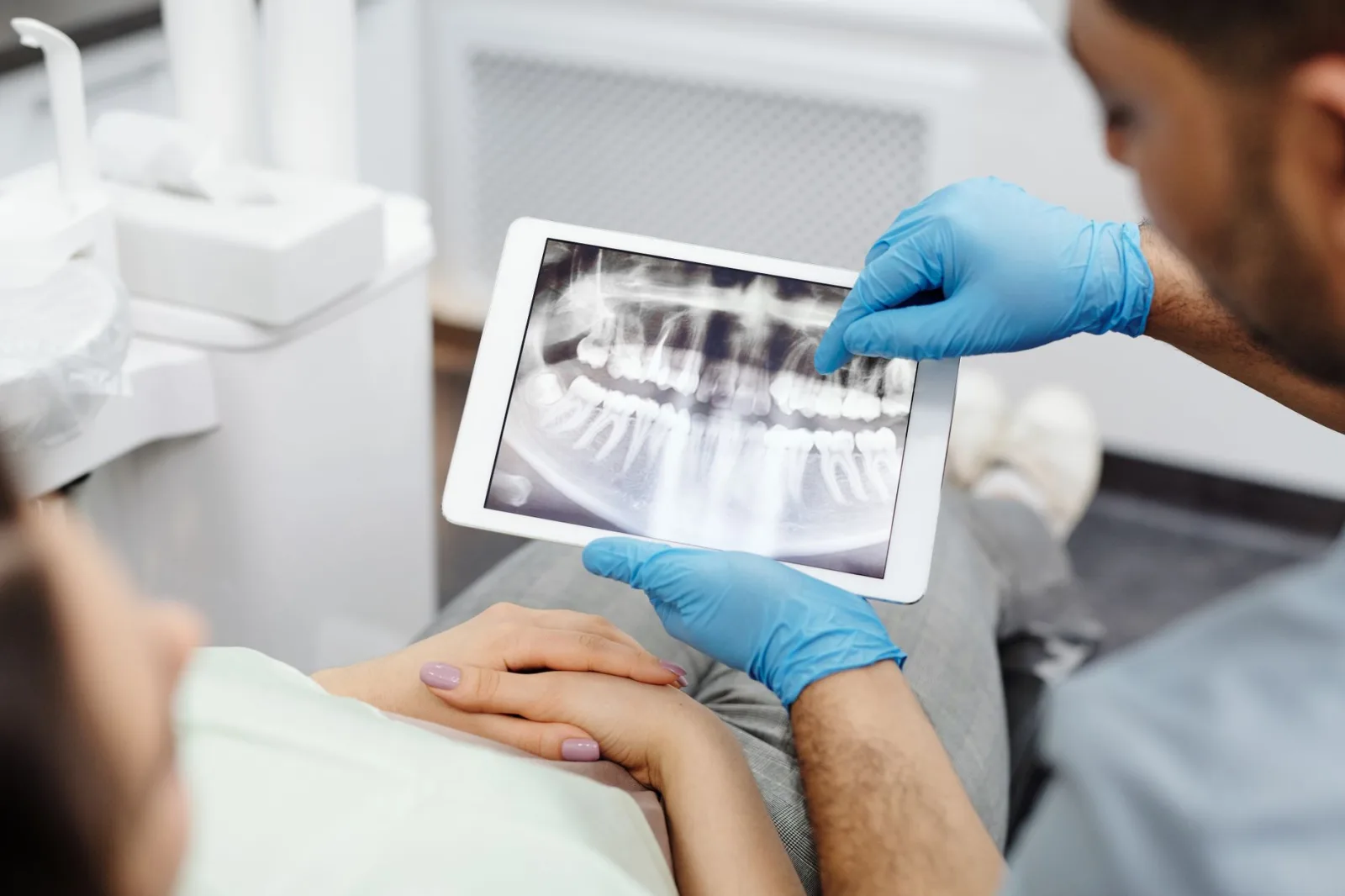
Local SEO for dental and medical practices USA is the fastest way to fill appointment slots with qualified local patients. Unlike national campaigns, local search targets people actively looking for healthcare services in your area — right now.
This guide walks you through every proven tactic: Google My Business mastery, citation building, review management, and location-specific content that Google rewards. Whether you run a single practice or multiple clinics across states, these strategies work. You'll learn exactly how to rank higher than competitors in Google Maps, Google Local 3-Pack, and organic search results in your service areas.
Table of Contents
- Why Local SEO for Dental & Medical Practices USA Matters
- Dentist Google My Business Optimization Essentials
- Local Citations & NAP Consistency
- On-Page Local SEO Strategy
- Reviews & Local Reputation Management
- Location-Based Content Strategy
- Technical SEO for Local Healthcare Practices
- Frequently Asked Questions
Why Local SEO for Dental & Medical Practices USA Matters
Patients search for healthcare locally. Google processes 8.5 billion searches daily, and 46% include location intent. A patient with a toothache doesn't search 'best dentist in America'—they search 'dentist near me' or 'dental clinic in [city].'
Local search is where healthcare practices win. The top 3 local results capture 54% of all clicks. If you're not visible there, patients find your competitor instead.
Local SEO for dental and medical practices USA works differently than national SEO. Google weighs proximity, relevance, and prominence. You control two of three immediately through proper optimization. Local SEO services accelerate this process by weeks or months.
Practices that invest in local SEO typically see 40-60% more appointment requests within 90 days.
The Local Search Behavior of Healthcare Patients
Patients use mobile devices to find urgent care (72% of searches). They want directions, hours, reviews, and phone numbers instantly. If your practice isn't showing up in those local results, you lose the patient to someone who is.
Mobile local searches for healthcare have grown 240% since 2019. This trend accelerates every year.
Local SEO ROI for Healthcare
- 46% of all Google searches include local intent; healthcare is 60% of those
- Top 3 local results capture 54% of clicks; 7th+ position captures <2%
- Mobile local healthcare searches grew 240% since 2019; trend continues upward
Dentist Google My Business Optimization Essentials
Your Google My Business (GMB) profile is the foundation of local SEO for dental and medical practices USA. It's free, visible to 92% of searchers, and the primary ranking factor for local results.
Most practices set up GMB and abandon it. Optimizing it properly takes 2-3 hours but pays dividends for years.
Complete Your GMB Profile (All Fields Required)
Don't leave fields blank. Every field Google provides is a ranking signal and an opportunity to convert searchers into patients.
| GMB Field | What to Include | Impact on Rankings |
|---|---|---|
| Business Name | Exact practice name + city (e.g., 'Smith Dental Clinic, Denver') | Critical ranking factor |
| Phone Number | Main appointment line (single, consistent number) | Conversion signal |
| Service Area | All cities/counties you serve (multi-location practices) | Local relevance |
| Website URL | Home page or local service page | Trust & crawl signal |
| Categories | Primary + 9 secondary (e.g., Dentist, Orthodontist, Teeth Cleaning) | Search relevance |
Add all services offered: preventive care, cosmetic dentistry, emergency root canals, orthodontics, etc. Use 9-10 categories maximum. Too many dilute relevance.
Add High-Quality Photos (50+ Minimum)
GMB profiles with 50+ photos rank 42% higher than those with fewer. Use:
- Office exterior & waiting room
- Treatment rooms & equipment
- Team members (with names & credentials)
- Before/after patient results (with consent)
- Community involvement & local events
Upload one new photo every 2 weeks. Google treats fresh GMB updates as engagement signals.
Write a Compelling Business Description
You have 750 characters. Use them strategically. Include: practice focus (general dentistry, family medicine), years in business, insurance accepted, and a soft call-to-action.
Example: 'Award-winning dental practice in Denver serving families since 2008. We offer cosmetic, preventive, and restorative dentistry. Accepting all major insurance. New patients welcome—book online or call today.'
AI SEO & GEO services ensure your GMB profile optimizes for AI Overview extraction and featured snippets across Google, ChatGPT, and Perplexity.
GMB Optimization Quick Wins
- Complete all 30+ GMB fields; blank fields are ranking penalties
- 50+ photos boost local rankings by 42%
- Add 9-10 service categories matching actual offerings

Local Citations & NAP Consistency Strategy
Google uses local citations (mentions of your Name, Address, Phone) as trust signals. A citation is any online mention of your practice data—on directories, review sites, social media.
Inconsistent citations confuse Google's algorithms. If one site lists you at '123 Main St' and another at '123 Main Street,' Google can't verify which is correct. This kills rankings.
Build Citations on High-Authority Healthcare Directories
Start with these (all free or low-cost):
| Directory | Authority Level | Healthcare Relevance | Time to List |
|---|---|---|---|
| Google My Business | Critical | Maximum | 1 day |
| Healthgrades.com | High | Maximum | 3-5 days |
| Zocdoc.com | High | Maximum (dentists) | 2-3 days |
| Yelp.com | Very High | High | 1-2 weeks (manual review) |
| WebMD.com (Physician Finder) | High | Maximum (doctors) | 1 week |
| Facebook Business | Very High | Medium | 1 day |
| Apple Maps | High | High | 2-3 days |
Avoid citation farms and low-authority directories. One high-quality citation beats 50 spammy ones.
Create a Citation Consistency Audit
Use this step-by-step process:
- Export your practice's current data (legal name, exact address, phone, website).
- Search your practice name on Google (site:directory.com + practice name) to find where you're already listed.
- Document discrepancies: address format, phone number variations, website URLs.
- Prioritize high-authority sites (Healthgrades, Yelp, Google) for immediate updates.
- Build missing citations on the key directories above.
- Set a quarterly audit schedule to catch new inconsistencies.
Inconsistent citations can cost you 20-30% of local search visibility.
Use Citation Management Tools
Tools like Moz Local, Yext, or SEMrush help automate citation building and monitoring. For solo practices, investing $50-100/month here pays back 10x in traffic.
Technical SEO experts often handle citation audits as part of full local optimization.
Citation Foundations
- One high-quality citation (Healthgrades) beats 50 low-quality ones
- Inconsistent NAP data costs 20-30% of local search visibility
- Audit citations quarterly; set automated alerts for new mentions
On-Page Local SEO Strategy for Multi-Location Practices
On-page optimization tells Google which location you serve and what services you offer. For local SEO for dental and medical practices USA, this is where content meets technical strategy.
Create Location-Specific Landing Pages
Don't use the same homepage for all locations. Create unique landing pages for each clinic.
Example structure for a 3-location dental group:
- yourpractice.com/denver-dentist
- yourpractice.com/boulder-dentist
- yourpractice.com/colorado-springs-dentist
Each page includes: local address, phone, service hours, practice photo, team bios, and unique local content (community involvement, local reviews, insurance accepted in that area).
Optimize Title Tags & Meta Descriptions for Local Intent
Use this formula: [Service] in [City, State] | [Practice Name]
Example: 'Cosmetic Dentistry in Denver, CO | Smith Dental Clinic'
Meta description: 'Award-winning cosmetic dentistry in Denver. Dr. Smith offers teeth whitening, veneers & smile makeovers. Book your free consultation today.'
Include the city name in both. Google uses these signals heavily for local ranking.
Add Structured Data (Schema Markup)
Schema markup helps Google understand your practice type, location, hours, and reviews. Use LocalBusiness schema + MedicalBusiness schema for healthcare.
Content SEO services include proper schema implementation. Without it, Google misses context about your practice.
Add: business name, address, phone, hours, service area, medical specialties, reviews/ratings (in JSON-LD format). Tools like Google's Structured Data Testing Tool verify your markup.
Reviews & Local Reputation Management
Practices with 50+ reviews rank 38% higher in local search. Review management isn't optional—it's a core local SEO pillar.
Reviews are a top-3 local ranking factor. Practices with 50+ reviews rank 38% higher than those with fewer than 10.
Google also extracts review content for AI Overview answers. A 5-star review mentioning 'compassionate dentist' and 'fast root canal' helps you rank for those exact phrases.
Build a Review Generation System
Don't ask patients occasionally. Create a repeatable process:
- After appointment completion, send a post-visit email 2 hours later with a review link (Google My Business, Healthgrades, Yelp, ZocDoc).
- Use SMS for reminder follow-ups if email doesn't work (higher open rates for healthcare).
- Offer a small incentive (practice merchandise, discount on whitening) for verified reviews (not for positive reviews—comply with FTC rules).
- Respond to all reviews within 24 hours (even 1-star reviews).
Target: 2-3 new reviews per week for a single practice. Multi-location practices should target 8-12 per week across all clinics.
Respond to Negative Reviews Professionally
How you handle criticism matters. A poor response tanks reputation; a thoughtful response builds trust.
Template: 'Thank you for your feedback. We're sorry you had this experience. Please contact us directly at [phone] so we can make it right. —Dr. Smith'
Never argue or get defensive. Negative reviews handled well actually increase trust (studies show practices with mixed reviews convert better than 5-star-only practices).
Leverage Positive Reviews in Content
Quote verified patient reviews on your homepage, service pages, and social media. Include the reviewer's name, city, and procedure they reviewed.
Example: 'Dr. Chen's root canal was painless. Best dental experience I've had.' — John M., Denver, CO
This signals social proof to both Google and human visitors.
Location-Based Content Strategy
Content is how you prove local relevance to Google. The best local SEO for dental and medical practices USA combines on-page optimization with location-specific blog posts and landing page content.
Create Geo-Targeted Blog Content
Write blog posts targeting local keywords and local patient concerns. Examples:
- 'Dental Emergencies in Denver: Where to Find Emergency Dentistry After Hours'
- 'Water Fluoridation in Boulder, CO: What You Need to Know'
- 'Best Practices for Heart Health in Older Adults: Colorado Springs'
These posts rank in local search, drive organic traffic, and position your practice as a local expert.
Include local landmarks, community events, and neighborhood references. Mention nearby schools, parks, and local healthcare regulations. This signals location relevance to Google.
Build a Comprehensive Local Topic Cluster
Instead of random blog posts, create a topic cluster: one pillar page + 8-12 related cluster posts.
Pillar: 'Complete Guide to Emergency Dental Care in [Your City]'
Clusters:
- Emergency root canals in [City]
- Cracked tooth treatment near [City]
- Dental abscess: symptoms & treatment in [City]
- 24-hour emergency dentist [City] locations
Link clusters back to the pillar. Google rewards topic depth and cross-linking for local search rankings.
Content writing services specialized in healthcare ensure medical accuracy while maintaining SEO optimization and local relevance across all pages.
Feature Local Patient Stories
Create case studies or patient testimonial posts (always with HIPAA-compliant consent). Example:
'How We Restored Jane's Smile: A Cosmetic Dentistry Success Story in Boulder'
These humanize your practice and provide social proof. They also rank for branded + local keywords (e.g., '[Your Practice Name] cosmetic dentistry [City]').
Local Content Dos & Don'ts
- Geo-target every blog post; include city name, local landmarks, local healthcare policies
- Build topic clusters (1 pillar + 8-12 clusters) for depth; Google rewards topical authority in local search
- Patient stories + case studies rank well & build trust with local searchers
Technical SEO for Local Healthcare Practices
Technical foundations matter. A slow, broken website kills local rankings regardless of citations or content quality.
Mobile Speed & Core Web Vitals
Google's algorithm prioritizes mobile-first indexing. Healthcare searches are 72% mobile. If your site loads slowly on phones, you lose rankings and conversions.
| Metric | Target (Google's Standard) | Healthcare Benchmark | Why It Matters |
|---|---|---|---|
| Largest Contentful Paint (LCP) | < 2.5s | < 2.0s | Perceived page load time |
| Cumulative Layout Shift (CLS) | < 0.1 | < 0.05 | Visual stability (buttons move?) |
| First Input Delay (FID) | < 100ms | < 80ms | Responsiveness to clicks |
Check your site at PageSpeed Insights (Google's official tool) and GTmetrix. Fix images (compress via Tinypng), enable caching, and use a CDN.
Local Schema Markup Implementation
Structured data tells Google: 'This is a medical practice at this address, with these hours, accepting these insurances.'
Essential schema types:
- LocalBusiness + MedicalBusiness (practice type & location)
- AggregateRating (average stars from all reviews)
- openingHoursSpecification (hours for each location)
- contactPoint (phone, email)
- areaServed (service areas)
SXO (Search Experience Optimization) integrates technical SEO with user experience design to ensure both Google and patients see your practice as trustworthy and accessible.
Mobile-Friendly Appointment Booking
Your site's most important conversion goal is appointment booking. Make it effortless on mobile:
- Click-to-call button (phone number as clickable link) above the fold
- Embedded online booking (Acuity, Zocdoc, or practice-specific software)
- Forms with 3 fields max (name, email, preferred time)
- No CAPTCHA or unnecessary verification steps
Test on mobile devices before publishing. If booking takes >3 taps, you'll lose 40%+ of conversion opportunities.
Local SEO for dental and medical practices USA is your fastest path to filling appointment slots with qualified local patients. It's not complicated: complete your Google My Business profile, build consistent citations, generate reviews, create location-specific content, and maintain technical SEO standards.
These tactics work across all practice sizes. Solo dentists see results as quickly as large multi-location groups. The practices that dominate their local markets apply all these strategies consistently—not sporadically.
Ready to implement? ithouse.tech's local SEO services specialize in healthcare practices across 12 countries. We handle the full stack: GMB optimization, citation audits, content strategy, schema implementation, and ongoing monitoring. A free consultation includes a specific local ranking audit and a clear roadmap for your practice. Contact us today.