How to Follow Technical SEO Strategies in 2026: The Complete Practitioner's Guide
July 3, 2026 · 8 min read · By Naveed Ahmad, CEO ithouse.tech

Technical SEO strategies have moved beyond the sidelines. In 2026, they determine whether your site ranks at all. We've worked with 500+ clients across 12 countries, and the pattern is unmistakable: sites ignoring technical SEO get buried, while those executing proper technical SEO strategies climb steadily.
This isn't theoretical. Core Web Vitals became a ranking factor in 2021. Mobile-first indexing became standard in 2021. Schema markup shifted from nice-to-have to essential for SERP features. The technical foundation either exists, or your content struggles to surface. This guide walks you through the exact technical SEO strategies our team uses to diagnose and fix crawlability issues, speed problems, indexation barriers, and structural weaknesses that prevent rankings.
Table of Contents
- Core Web Vitals: Your Foundation in 2026
- Crawlability and Indexing: Getting Search Engines Inside
- Site Architecture and Internal Linking Structure
- Schema Markup and Structured Data Implementation
- Mobile-First Indexing and Core Web Vitals
- Monitoring, Auditing, and Continuous Optimization
- Frequently Asked Questions
Core Web Vitals: Your Foundation in 2026
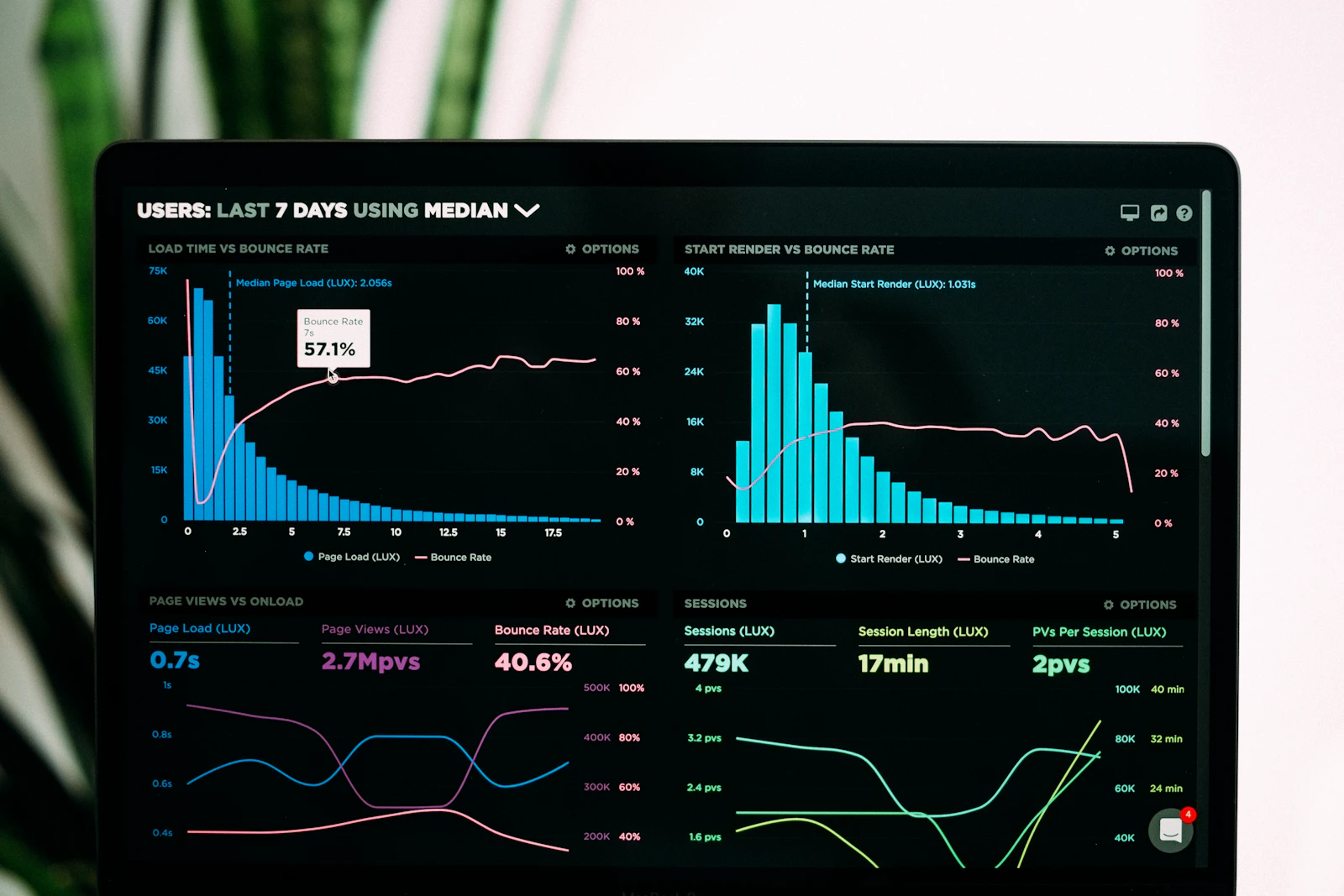
Core Web Vitals are no longer optional. Google's ranking algorithm penalizes sites that fail these three metrics: Largest Contentful Paint (LCP), First Input Delay (FID), and Cumulative Layout Shift (CLS). LCP should stay under 2.5 seconds. FID must be below 100 milliseconds. CLS needs to remain under 0.1. Most sites exceed these thresholds, which is why technical SEO strategies focused on speed dominate the conversation.
Here's what actually works: implement image optimization aggressively. Lazy load below-the-fold content. Minimize JavaScript blocking render. Use a content delivery network. We've seen 40% speed improvements by removing unused CSS and deferring non-critical scripts. Technical SEO services that ignore speed metrics miss the entire point. Tools like PageSpeed Insights and WebPageTest reveal exactly where your site bleeds performance. Your hosting matters. Your framework matters. Your optimization discipline matters more.
Crawlability and Indexing: Getting Search Engines Inside
Crawlability determines what Google can discover. If your site blocks crawlers via robots.txt or noindex tags, technical SEO strategies fail from the start. We audit client sites weekly and find crawl budget wasted on duplicate content, pagination parameters, session IDs, and pagination that doesn't need indexing. Technical SEO means being selective about what gets crawled.
Start with your robots.txt file. Disallow directories that serve no ranking purpose. Check your sitemap.xml for dead links and obsolete pages. Use Google Search Console to identify crawl errors—4xx responses, timeouts, redirects that shouldn't exist. Internal redirects waste crawl budget. Every 301 or 302 chain degrades link equity. We recommend fixing these systematically. Web development teams sometimes create unintended crawl traps through canonical tags or hreflang misuse. Technical SEO strategies require partnership between SEO and development. Canonicalization must be correct. If you use pagination, implement rel=next and rel=prev properly or use view-all pages instead. Indexation problems multiply quickly without discipline.
Crawl budget is finite. Wasted crawls on duplicate content or redirects mean missed opportunities on new pages.
Crawlability Checklist
- robots.txt restricts crawl waste, not discovery
- Search Console reveals actual indexation status weekly
- Fix redirect chains—each hop costs link equity
- Canonicalization must align with URL structure
Site Architecture and Internal Linking Structure
Site architecture dictates how link equity flows. Technical SEO strategies without a coherent architecture crumble. Your homepage should link to pillar pages. Pillar pages should link to cluster content. Cluster content should point back to pillars and related clusters. This creates topical relevance signals that algorithms use to understand your expertise.
Depth matters. A page 5 clicks from the homepage receives exponentially less link equity than one 2 clicks away. We map out information architecture before any redesign. Implement breadcrumb navigation—it improves UX and signals hierarchy to search engines. Use internal linking anchor text strategically; it tells crawlers what pages are about. Avoid over-optimization or exact-match anchor text that looks manipulative. On-page SEO includes this linking structure. Many sites have poor architecture inherited from year-old WordPress themes. Flattening overly deep structures and adding strategically placed links between related content usually unlocks ranking gains. Technical SEO strategies require auditing existing links and planning new ones based on keyword relevance and user behavior patterns.
Schema Markup and Structured Data Implementation
Schema markup tells search engines what your content means. Without it, your page is just text. With it, you unlock rich snippets, knowledge panels, and featured snippet opportunities. In 2026, schema implementation separates dominant brands from invisible competitors. Technical SEO strategies must include schema at scale.
Implement Organization schema on your homepage to establish your entity. Use BreadcrumbList for navigation clarity. Product schema gets you into comparison carousels. FAQ schema appears as expandable Q&A in SERPs. Article and NewsArticle schema boost news content visibility. Review and AggregateRating schema build trust signals. We use structured data testing tools to validate every schema implementation. Errors in JSON-LD code get ignored by Google—validation is non-negotiable. SXO services combine schema markup with user experience design. The technical implementation must be clean. Use canonical URLs within your schema. Use consistent entity names. Link schema properties to corresponding page content so the relationship is verifiable. For e-commerce sites, e-commerce SEO must include product, offer, and inventory schema. Technical SEO requires treating schema as a priority, not an afterthought.
Schema validation must be perfect. One syntax error makes the entire markup invalid. Use Google's Rich Results Test before publishing.
Mobile-First Indexing and Core Web Vitals
Google crawls the mobile version of your site first. Mobile-first indexing became the standard in 2021. If your mobile site is slower, less functional, or missing content compared to desktop, your rankings suffer. Technical SEO strategies in 2026 mean optimizing mobile-first, not desktop-first.
Responsive design matters. Avoid dynamic serving that delivers different HTML to mobile. Your stylesheet should serve appropriate breakpoints. Test with real mobile devices, not just browser emulation. Mobile navigation must be intuitive—hamburger menus are standard, but test whether users actually find what they need. Viewport sizing and touch targets (minimum 48x48 pixels) affect both UX and ranking. We use the Mobile-Friendly Test to verify compliance. Check form fields on mobile—tiny inputs frustrate users and increase bounce rates. CRO services partner with technical SEO because speed and usability are conversion drivers. Mobile Core Web Vitals often exceed desktop metrics. If your mobile LCP is 3.5 seconds while desktop is 1.8 seconds, that's your ranking constraint. Technical SEO strategies must prioritize mobile performance.
Mobile Technical Checklist
- Responsive design serves all breakpoints correctly
- Touch targets minimum 48x48 pixels to prevent misclicks
- Mobile navigation accessible within 2-3 taps
- Core Web Vitals meet thresholds on real mobile devices
Monitoring, Auditing, and Continuous Optimization
Technical SEO strategies aren't one-time fixes. Monitoring and auditing must be continuous. We run automated crawls weekly for clients to catch crawl errors, broken redirects, indexation drops, and speed regressions before they impact rankings. Google Search Console provides free data—set up email alerts for critical issues.
Use site audit tools like Screaming Frog or DeepCrawl to identify technical problems at scale. Monitor Core Web Vitals in Google Analytics. Track rankings alongside speed improvements to correlate impact. AI SEO & GEO tools now automate much of this monitoring, identifying patterns humans miss. We've implemented monitoring dashboards for clients showing real-time Core Web Vitals, crawl stats, indexation rates, and ranking velocity. When a hosting migration happens, we audit immediately. When a framework upgrade rolls out, we test Core Web Vitals. Technical SEO requires vigilance. Your competitors are auditing. Your users demand speed. Search engines reward sites that maintain technical standards. Content SEO and technical SEO must work together—great content on a slow site goes nowhere. Our approach combines technical audits with ongoing optimization cycles that address the highest-impact opportunities first. Most improvement comes from fixing crawlability, speed, and indexation—the three pillars of technical SEO strategies.
Weekly audits catch regressions before they damage rankings. Monthly reviews identify optimization opportunities. Quarterly deep dives align technical SEO with business goals.
Technical SEO strategies in 2026 are non-negotiable. Speed, crawlability, indexation, architecture, and schema markup form the foundation every ranking site must have. We've taken dozens of sites from invisible to first-page through rigorous technical optimization alone—no major content changes needed. The competitors outranking you right now have probably optimized these fundamentals. You're not behind because of content. You're behind because your technical foundation is weak.
The path forward: audit your site thoroughly using Search Console, PageSpeed Insights, and a full crawl. Fix crawl errors and broken redirects first. Optimize Core Web Vitals next—speed changes yield immediate ranking improvements. Implement schema markup for your primary content types. Audit site architecture and strengthen internal linking. Monitor weekly. Improve continuously. If you need hands-on support implementing these technical SEO strategies, our team has fixed hundreds of technical issues that were blocking rankings. We'd be happy to conduct a free audit and show you exactly where your technical foundation needs reinforcement.