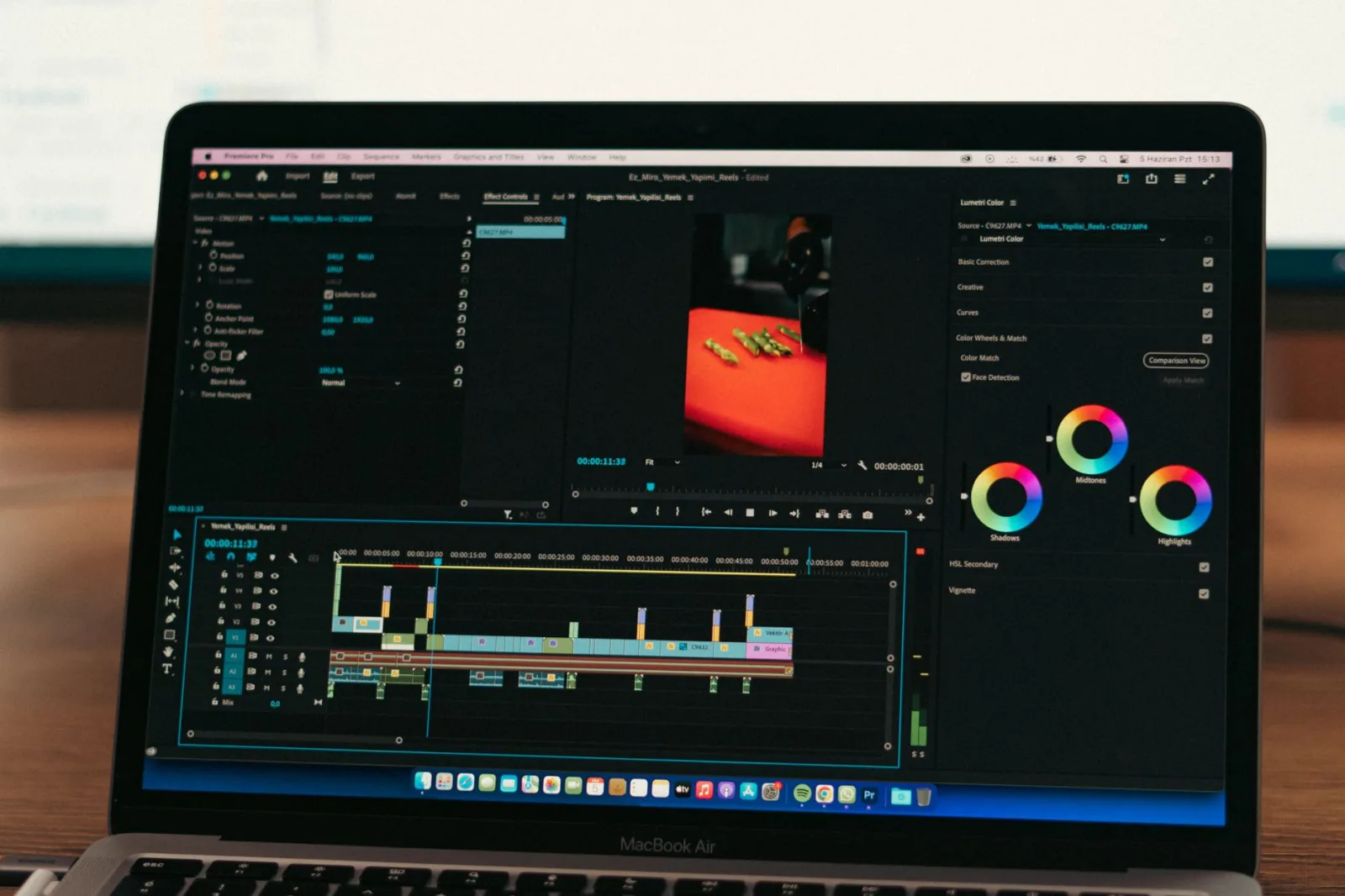
Professional Video Editing Costs in Australia 2026 — Complete Pricing Guide
July 28, 2026 · 8 min read · By Naveed Ahmad, CEO ithouse.tech
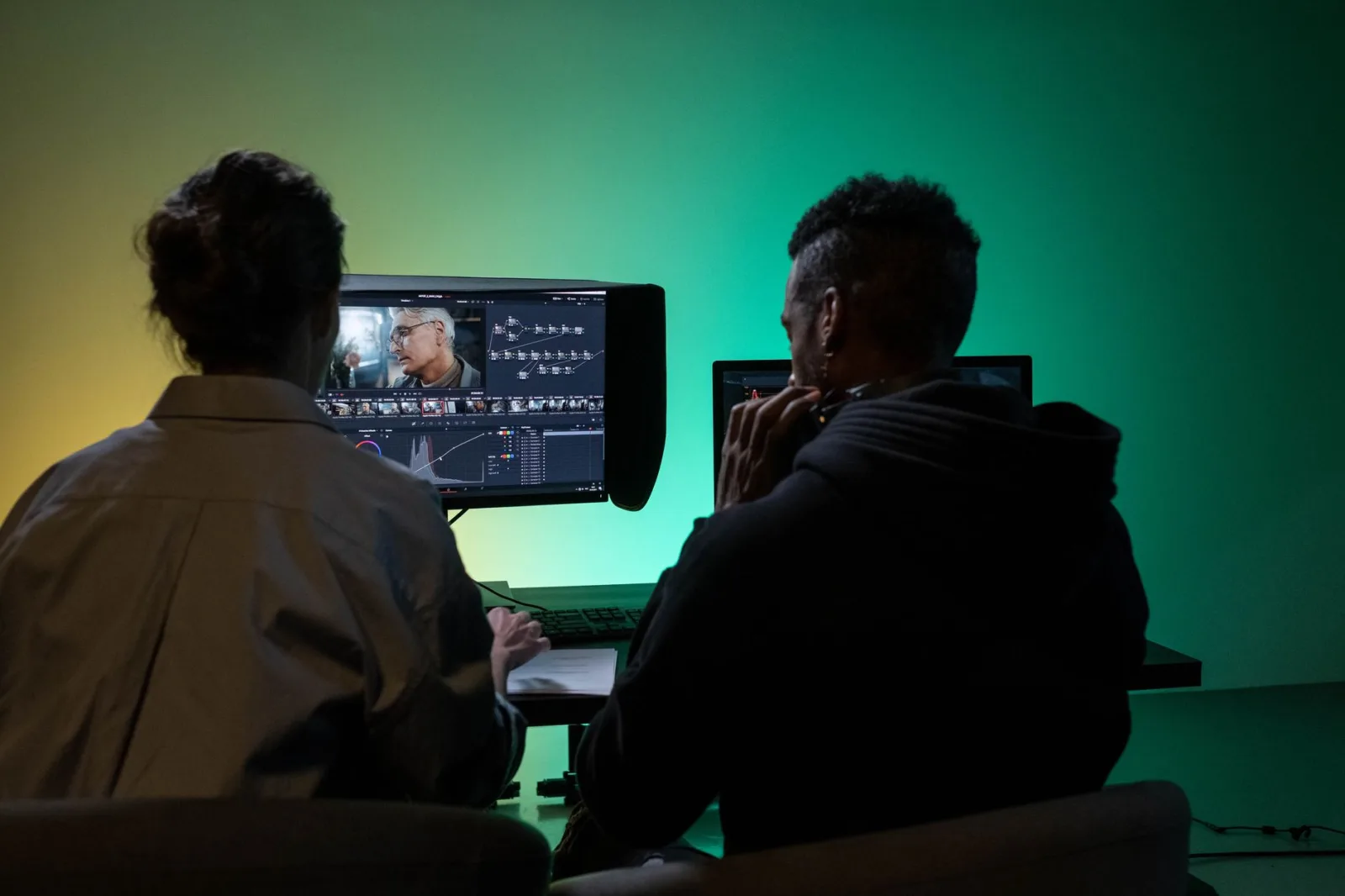
Professional video editing costs in Australia 2026 vary widely depending on whether you hire a freelancer, work with an agency, or build an in-house team. Most Australian businesses spend between $2,500 and $15,000 monthly on video editing, yet many pay far more than necessary because they don't understand the pricing landscape.
This guide breaks down exactly what professional video editing costs in Australia 2026, shows you real pricing by provider type, reveals hidden expenses, and gives you actionable strategies to cut costs without sacrificing quality. Whether you're a startup, agency owner, or established brand, you'll leave this guide knowing precisely what you should pay and how to negotiate better rates.
Table of Contents
- Freelance Video Editing Rates in Australia
- Agency Video Editing Pricing
- In-House Video Editing Costs
- In-House vs Freelance Video Editing — Cost Comparison
- Hidden Costs You Need to Know
- How to Reduce Your Video Editing Costs
- 2026 Industry Benchmarks by Content Type
- Choosing the Right Video Editing Provider for Your Budget
- Frequently Asked Questions
Freelance Video Editing Rates in Australia
Freelance video editors in Australia typically charge between $45 and $120 per hour, with most clustering around $60–$95. This is the most affordable option for most businesses because you pay only for hours worked, with zero overhead or ongoing salary expense.
Hourly rates depend heavily on experience, portfolio quality, software specialization, and turnaround time expectations. A beginner editor with 1–2 years' experience might charge $35–$50/hr. Mid-level editors (3–6 years' experience) charge $65–$90/hr. Senior freelancers with premium portfolios and complex project experience command $100–$150+/hr.
Many Australian freelancers now use project-based pricing instead of hourly rates. A short-form social media edit (TikTok, Instagram Reel, LinkedIn) might cost $200–$500. A 3–5 minute YouTube video costs $800–$2,500 depending on complexity. A full corporate promotional video runs $2,000–$8,000.
Where to Find Freelance Video Editors in Australia
Upwork, Fiverr, and PeoplePerHour remain common platforms, but they attract a wide skill range and lower-cost competitors. For quality, Australian-specific platforms like Freelancer.com.au and local job boards often attract better local talent. LinkedIn and direct referrals consistently yield the highest-quality editors at fair rates.
Vetting is critical—request sample work, check references from previous clients, confirm they understand your editing software requirements, and always start with a small test project before committing to ongoing work.
Freelancer Cost Savings
- No employment taxes, superannuation, or benefits required
- Pay only for hours actually worked; easy to scale up or down
- Faster onboarding than hiring permanent staff
- No office space or equipment investment needed
Agency Video Editing Pricing
Dedicated video editing agencies in Australia charge significantly more than freelancers but offer advantages like project management, quality control, faster turnaround, and backup resources if your primary editor is unavailable.
Agencies typically charge between $80 and $200 per hour, or more commonly, use project-based or retainer pricing. A retainer arrangement (where you pay a fixed monthly fee for a guaranteed number of edits or hours) typically ranges from $3,000 to $10,000+ per month depending on output volume and project complexity.
Project pricing for agencies often includes strategy consultation, multiple revision rounds, and professional deliverables across formats. A mid-tier agency might charge $2,500–$6,000 for a polished corporate video, $1,500–$3,500 for a YouTube video, or $5,000–$15,000 for a complete video marketing campaign with multiple assets.
The higher cost reflects faster turnaround (2–5 business days typical), dedicated account management, quality assurance review, and the ability to handle complex multi-camera edits, color grading, animation, and sound design. Agencies like professional video editing services often bundle editing with strategic consultation about content distribution and audience targeting.
What's Included in Agency Pricing
- Project strategy consultation and brief clarification
- Unlimited revision rounds (within scope)
- Multiple export formats (social media, web, broadcast)
- Professional color grading and sound mixing
- Motion graphics, text overlays, and transitions
- File archiving and organized delivery
- Faster turnaround times (typically 3–7 days)
Most Australian agencies require a 3–6 month commitment if you sign a retainer, so start with a single project to evaluate fit before locking into a long-term contract.
Why Agencies Cost More
- Includes project management and quality assurance overhead
- Faster turnaround and priority scheduling
- Professional-grade equipment and software licenses
- Backup resources and scalability for urgent projects
In-House Video Editing Costs
In-house video editing only makes financial sense if you have consistent, high-volume monthly output. Otherwise, you're paying salary for idle time. — Naveed Ahmad, CEO ithouse.tech
Hiring a full-time video editor in Australia is significantly more expensive than freelancing or agency work when you factor in salary, benefits, tax, and equipment. A junior in-house editor earns $55,000–$70,000 annually. A mid-level editor with 3–5 years' experience costs $70,000–$95,000. Senior editors command $95,000–$130,000+.
The true cost is higher once you add employer superannuation (11.5% minimum), payroll tax (varies by state, typically 1.25–4.85%), workers' compensation insurance, professional development, and equipment. A $75,000 salary easily becomes $95,000–$105,000 in total annual cost.
Beyond salary, in-house editors require: workstations with professional-grade hardware ($4,000–$12,000 per setup), software licenses including Adobe Creative Suite ($800/year per person), storage infrastructure and backup systems ($2,000–$5,000 initial investment), and ongoing tech support.
The Hidden Cost of In-House Editors
Many businesses overlook vacation, sick leave, professional development time, and periods when editors are underutilized between projects. If your editor works 220 productive days annually but only billable on 160 of them, you're paying for 60 days of non-billable time. This pushes the effective hourly cost from $35/hr salary-based to $55–$65/hr when fully loaded.
In-house editing only makes sense if you produce 40+ hours of content monthly year-round, or if video is core to your business (like a production company, YouTube channel, or media agency). For most Australian SMEs producing sporadic video content, it's economically irrational.
True In-House Costs
- Total annual cost: salary + superannuation + tax + benefits = 30–40% markup on base salary
- Equipment and software infrastructure: $7,000–$18,000 one-time, $800+/year ongoing
- Downtime and underutilization increases true hourly cost by 50–100%
- Only justified if producing 50+ hours of finished video content monthly
In-House vs Freelance Video Editing — Cost Comparison
To understand whether you should outsource or hire in-house, you need a direct cost comparison based on your actual monthly video needs.
| Production Model | Hours/Month | Monthly Cost (AUD) | Annual Cost (AUD) | Best For |
|---|---|---|---|---|
| Freelancer @ $75/hr | 20 hrs | $1,500 | $18,000 | Low-volume, sporadic editing |
| Freelancer @ $75/hr | 40 hrs | $3,000 | $36,000 | Moderate consistent output |
| Agency retainer | 40 hrs equivalent | $5,000–$7,000 | $60,000–$84,000 | Professional finish + project management |
| In-house junior editor | 160 hrs (full-time) | $7,900 | $94,800 | High-volume production |
| In-house senior editor | 160 hrs (full-time) | $10,200 | $122,400 | Complex, specialized editing |
The break-even point: if you need more than 50–60 hours of editing per month consistently year-round, hiring in-house becomes cost-comparable to freelancing at mid-tier rates. Below that threshold, outsourcing is always cheaper.
Most Australian businesses producing regular video content for digital marketing and social media need 15–35 hours monthly. For that volume, freelancing or small-project agency work costs 30–50% less than in-house.
Hybrid Approach: Best of Both Worlds
Many smart operators use a hybrid model: hire a part-time in-house editor or coordinator (20–25 hours/week) to manage workflow and handle simpler edits, then freelance out complex, specialist work (color grading, animation, complex motion graphics). This balances cost control with quality assurance and maintains consistent output for your brand.
Outsource if you need fewer than 40 hours/month. Hire in-house only if you consistently exceed 60 hours/month year-round. Between 40–60 hours, a hybrid model usually wins on cost and flexibility.
Hidden Costs You Need to Know
Most businesses underestimate total video editing costs because they ignore expenses beyond the direct editor fee. Understanding these hidden costs prevents budget blowouts and helps you negotiate realistic project estimates.
Common Hidden Costs in Professional Video Editing
- Project management overhead: If you're not providing a clear brief, shot lists, and organized raw files, expect delays and revision requests that inflate hours/costs by 20–30%.
- Asset creation: If editing includes designing graphics, sourcing stock footage, or commissioning custom animations, costs jump $500–$5,000 per project.
- Revision requests: Unlimited revisions destroy profitability. Most freelancers and agencies cap revisions at 2–3 rounds. Extra revisions cost $100–$500 each.
- Turnaround time premium: Rush jobs (24–48 hour turnaround) cost 25–50% more than standard 5–7 day turnaround.
- Format and compliance requirements: Exporting for multiple platforms (YouTube, TikTok, LinkedIn, Instagram, broadcast) multiplies delivery time and cost.
- Storage and archiving: Raw footage storage, project archiving, and cloud backup add $50–$300/month if handled by your service provider.
- Software and plugin licensing: If your editor uses specialized tools (Red Giant, Boris FX, Fusion), those licenses may not be included and cost extra.
- Setup and planning time: Agencies typically charge for kickoff meetings, shot list review, and brief clarification at 1–2 hours per project.
To avoid surprises, always request a detailed scope statement from your video editor or agency upfront. Define revision limits, revision costs, final file formats, delivery timeline, and storage responsibilities in writing before starting.
Request a detailed quote that explicitly lists what's included, revision limits, turnaround time, deliverable formats, and what costs extra. Verbal agreements lead to disputes and unexpected charges.
How to Reduce Your Video Editing Costs
Professional video editing costs in Australia 2026 can be reduced substantially without sacrificing quality through smart planning and process improvements. Here's how top Australian marketers and agencies cut editing costs by 30–40%.
- Plan your shoots meticulously. Provide editors with clear shot lists, a detailed brief, and organized footage organized by scene/segment. Disorganized footage requires 20–30% more editing time to sort, sync, and find usable takes.
- Use templates for repetitive formats. If you produce weekly YouTube updates or TikTok series with consistent branding, build editing templates that save 10–15 minutes per video. Adobe Premiere Pro, DaVinci Resolve, and CapCut Pro all support templates.
- Shoot for editing efficiency. Film wide, medium, and close-up shots of every scene. Use b-roll liberally. Have graphics and text assets ready before editing begins. This gives editors more material to work with and reduces creative time spent problem-solving on missing shots.
- Batch your editing work. Edit 5–10 similar videos in one session rather than isolated single projects. Editors charge less per unit when batching because setup time (color grade, transitions, branding) happens once.
- Specify realistic turnaround times. Request 5–7 day turnaround instead of 24-hour rush jobs. Most editors discount 15–20% for standard timeline vs. rush timeline.
- Limit revision rounds. Define upfront: 2 free rounds of revisions, then $75–$150 per additional round. This incentivizes clear briefs and prevents scope creep.
- Automate simple tasks. Use AI-assisted tools like Opus Clip, Runway, or Synthesia for basic cuts, captions, and short-form social edits. Reserve your expensive editor for complex color work, animation, and strategic cuts.
- Build a long-term relationship. Freelancers and agencies offer 10–20% discounts for retainer clients or consistent monthly work. Loyalty reduces negotiation time and overhead per project.
Read our guide on video editing for Australian small business marketing for deeper strategies on scaling video production without inflating costs.
Top Cost-Reduction Tactics
- Organized footage + clear brief reduces editing time by 20–30%
- Batch editing similar content in one session saves 10–15% per project
- Standard turnaround (5–7 days) costs 15–20% less than rush (24–48 hrs)
- Retainer contracts with long-term partners discount 10–20% vs. one-off projects
2026 Industry Benchmarks by Content Type
Video editing costs vary dramatically by content type. Knowing the realistic cost for your specific format prevents you from overpaying or getting undervalued work. Here's what Australian professionals charge in 2026:
| Content Type | Typical Length | Freelancer Cost (AUD) | Agency Cost (AUD) | Turnaround Time |
|---|---|---|---|---|
| Social media reel / TikTok | 15–60 seconds | $200–$600 | $500–$1,500 | 2–3 days |
| YouTube video (unscripted) | 8–15 minutes | $1,200–$2,500 | $2,500–$5,000 | 5–7 days |
| YouTube video (narrative/scripted) | 10–20 minutes | $2,000–$4,000 | $4,000–$8,000 | 7–10 days |
| Corporate/promotional video | 2–5 minutes | $1,500–$3,500 | $3,000–$7,000 | 5–10 days |
| Product demo / tutorial | 3–7 minutes | $800–$2,000 | $2,000–$4,500 | 3–5 days |
| Podcast video / interview | 30–60 minutes | $800–$1,500 | $2,000–$3,500 | 5–7 days |
| Webinar video production | 30–90 minutes | $1,000–$2,500 | $3,000–$6,000 | 7–14 days |
| Animated explainer video | 1–3 minutes | $2,500–$6,000 | $5,000–$12,000 | 10–21 days |
Several factors move costs up or down within these ranges: number of video tracks and camera angles, amount of color grading required, whether animation is included, revisions requested, and any specialized effects or compositing needed.
For YouTube video editing for Australian creators, most benefit from investing in quality editing because longer-form content performs better when paced correctly. For TikTok editing for Australian brands, fast turnaround and consistent batching matters more than premium finishing touches.
Short-form content (under 60 seconds) is now the fastest and cheapest to edit because turnaround is 2–3 days vs. 7–10 days for long-form. This makes social-first content strategies cost-effective.
Choosing the Right Video Editing Provider for Your Budget
Once you understand professional video editing costs in Australia 2026, the next step is selecting the right provider type for your business. The correct choice depends on your budget, content volume, quality requirements, and how often you need edits.
Choose Freelance If You:
- Produce 10–30 hours of content monthly (sporadic or inconsistent)
- Have projects with varying complexity and turnaround needs
- Want maximum cost control and flexibility to pause/pause work
- Can tolerate occasional quality variance or learning curves with new freelancers
- Have clear, organized briefs and can manage communication yourself
Choose Agency If You:
- Produce 30–60 hours of content monthly consistently
- Need fast, predictable turnaround (48–72 hours)
- Value project management and accountability
- Want consistent quality and brand adherence across all videos
- Need backup resources when your primary editor is unavailable
- Can commit to a 3–6 month retainer contract
Choose In-House If You:
- Produce 60+ hours of finished video content monthly year-round
- Have specialized editing needs (complex color grading, motion graphics, VFX)
- Need real-time feedback and tight integration with your creative team
- Can invest in workstation equipment and software licenses
- Have consistent, predictable workflow and sufficient budget
For LinkedIn video editing for B2B marketers, professional finishes matter more than speed. This favors agency work. For content marketing heavy on video assets, hybrid (part-time in-house + freelance specialists) often wins.
Questions to Ask Before Hiring
- What is your experience with my content type and industry?
- What's included in your price, and what costs extra?
- How many free revision rounds are included?
- What's your standard turnaround time, and what does rush cost?
- Will you provide organized project files for my future reference?
- Do you offer discounts for retainer/ongoing work?
- What software and file formats do you use, and are they compatible with my workflow?
- Can you provide 3–5 recent portfolio examples similar to my project?
- How do you communicate progress and handle feedback?
- What happens if I'm unhappy with the deliverables?
Always request sample work and references from previous clients with similar projects. A $2,000 difference in cost means nothing if the cheaper option delivers substandard work.
Professional video editing costs in Australia 2026 range from $200 per short social video to $8,000+ for complex corporate productions, depending on complexity, turnaround, and provider type. The smartest approach is understanding your content volume and choosing accordingly: freelancers for sporadic projects under 30 hours/month, agencies for consistent 40–60 hour/month production, and in-house only if you exceed 60 hours monthly year-round.
Hidden costs, revision limits, and scope creep destroy budgets. Get detailed written quotes, define revision limits upfront, organize your footage meticulously, and build long-term relationships with trusted providers to negotiate discounts. Most Australian businesses can reduce professional video editing costs by 30–40% through better planning, batching, and standard (not rush) turnaround expectations.
Ready to get your video editing costs under control? ithouse.tech has helped 500+ Australian clients cut video production spending by an average of 35% while improving content consistency. Book a free video strategy consultation today—we'll audit your current spending, identify cost-reduction opportunities, and recommend the provider model that fits your budget and workflow.